This entry examines Surah Fatir 35:12, which contrasts a fresh, drinkable sea with a salty, bitter one and observes that both yield edible fish and that ornaments are drawn from them, and asks how far this pairing exceeds ordinary seventh-century knowledge.
The source text
وَمَا يَسْتَوِى ٱلْبَحْرَانِ هَـٰذَا عَذْبٌ فُرَاتٌ سَآئِغٌ شَرَابُهُۥ وَهَـٰذَا مِلْحٌ أُجَاجٌ ۖ وَمِن كُلٍّ تَأْكُلُونَ لَحْمًا طَرِيًّا وَتَسْتَخْرِجُونَ حِلْيَةً تَلْبَسُونَهَا ۖ وَتَرَى ٱلْفُلْكَ فِيهِ مَوَاخِرَ لِتَبْتَغُوا۟ مِن فَضْلِهِۦ وَلَعَلَّكُمْ تَشْكُرُونَ
“And not alike are the two seas [i.e., bodies of water]. One is fresh and sweet, palatable for drinking, and one is salty and bitter. And from each you eat tender meat and extract ornaments which you wear, and you see the ships plowing through [them] that you might seek of His bounty; and perhaps you will be grateful.”
Qur'an 35:12 · Saheeh International
What was understood in the seventh century
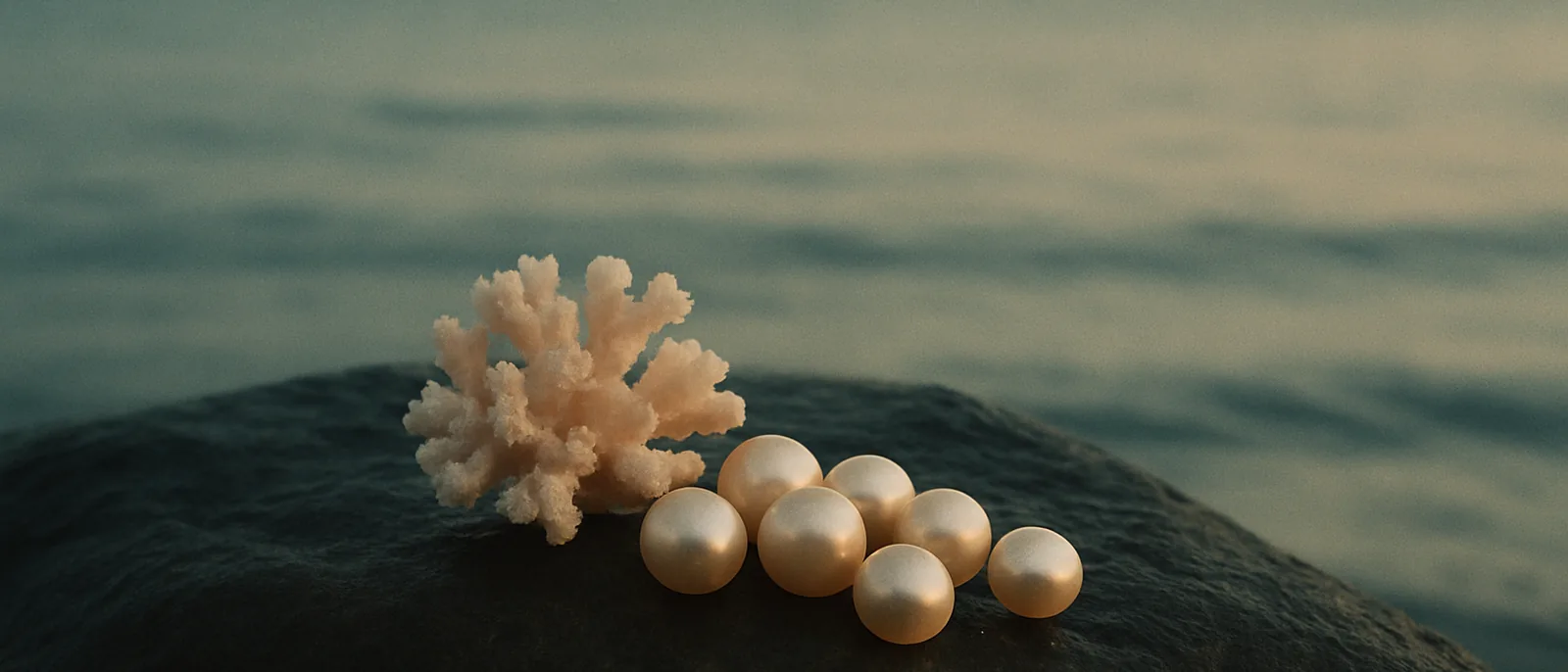
Arabians distinguished sweet drinking water from bitter sea water, and knew that both fresh and salt waters yield edible fish. They also knew that the sea yields pearls and coral used as ornaments, since pearl diving was a known trade along the Arabian and Gulf coasts, and that ships crossed the water for trade. The verse gathers these familiar observations into a single, ordered contrast between two kinds of water.
The distinction it draws rested on taste and use, and on the practical experience of fishing and of diving, rather than on any account of why the two waters differ. No systematic biology or chemistry of salinity underlay this everyday knowledge; the difference between the two seas was a matter of the tongue and of daily need, not of measurement.
The verse's structure is descriptive rather than explanatory. It sets out two seas that are "not alike," one "fresh and sweet, palatable for drinking" and one "salty and bitter," and then couples them: from each comes "tender meat" to eat, from them are drawn ornaments to wear, and across them the ships are seen "plowing" so that people "seek of His bounty." The passage reads as a catalogue of benefits held together by a contrast of waters.
The modern correspondence
Modern hydrology and fisheries science confirm the elements of the verse. Both freshwater and marine environments support edible fish, the "tender meat" it names, and marine waters remain the principal source of ornaments such as pearls and coral, while some freshwater molluscs also produce pearls. The underlying difference between the two seas is now described precisely, in terms of salinity and density, as the references below set out.
Commentators highlight the verse's accurate coupling of two distinct water bodies with overlapping but characteristic resources: food drawn from each, and ornaments drawn chiefly from the sea. The mention that ships plough through the water "that you might seek of His bounty" is likewise borne out, since maritime trade across salt water has remained a principal means of exchange into the modern era. The correspondence argued here is one of careful and comprehensive description, gathering food, ornament and navigation into a single frame, rather than a claim of any hidden mechanism unknown to the period.
Considerations and counterpoints
Skeptics say this verse simply catalogs familiar facts. Fresh and salt water, fish, pearls and shipping were all known to any coastal society, and reading modern oceanography into the passage is post-hoc. The mention of ornaments extracted from "each" of the two waters is sometimes flagged as imprecise, since marine sources dominate the production of pearls and coral, though freshwater pearls do exist. The tier assigned here reflects that the contrast between fresh and salt water and their yields was broadly accessible to observation in seventh-century Arabia, making the element that could not have been known modest.
Credibility rating: Tier 2 · Interpretive — Authentic clear text, but the described contrast between fresh and salt water and their yields was broadly accessible to observation in 7th-century Arabia, making the 'unknowable' element modest.