Qur'anic Signs
Signs & Miracles
Passages of the Qur'an and statements in authentic Hadith that readers and commentators have argued align with knowledge that was not available in seventh-century Arabia. Each entry presents the source text, its historical context, the modern correspondence claimed for it, and the strongest counterarguments — with an honest credibility rating.
Jump to: Cosmology & Astronomy · Earth & Geology · Oceans, Water & Sky · Human Development & Medicine · Animals & the Natural World · History & Preservation

Cosmology & Astronomy
-
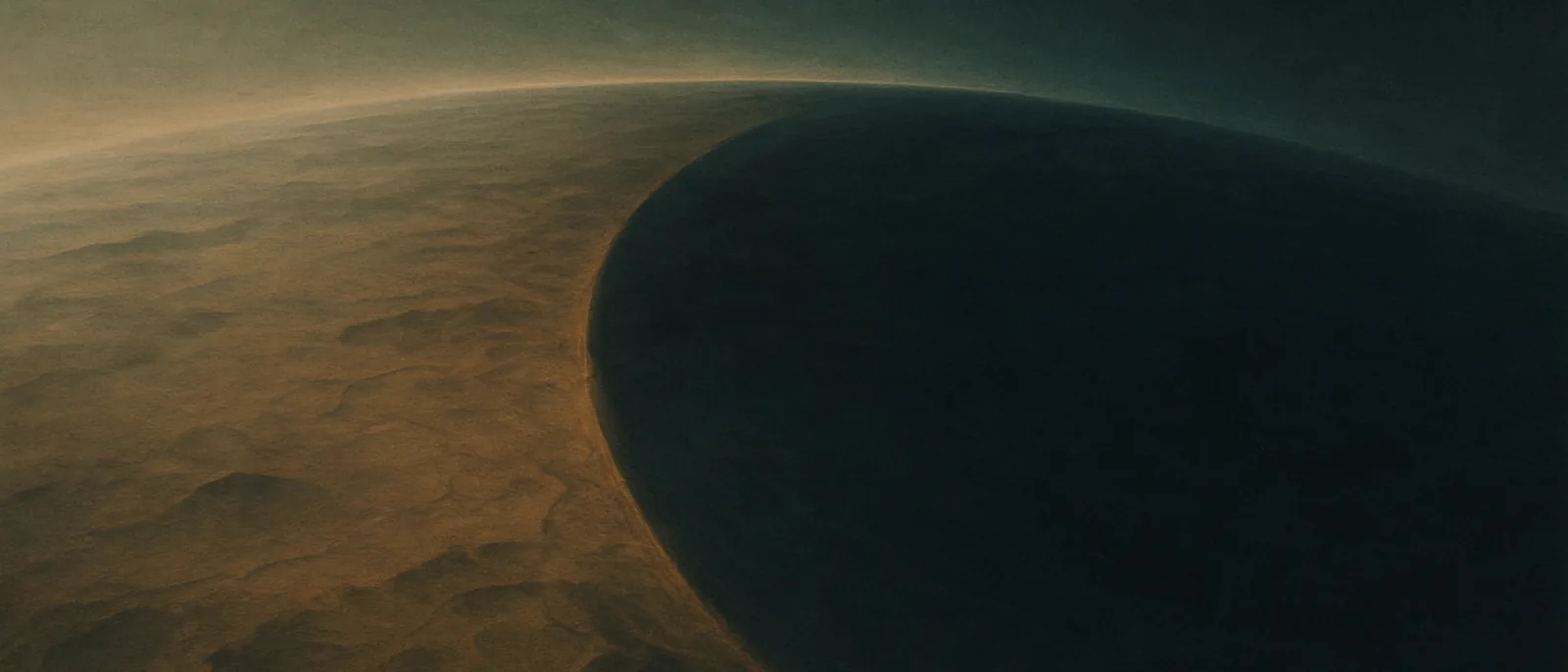
Night 'wrapping' over day (takwir) and Surah az-Zumar 39:5
The earth is a rotating spheroid, completing one rotation in about 24 hours, so the boundary between day and night (the terminator) continuously…
-

The expanding universe and Surah adh-Dhariyat 51:47
In 1922 Alexander Friedmann derived expanding-universe solutions from general relativity, and in 1927 Georges Lemaitre proposed an expanding…
-
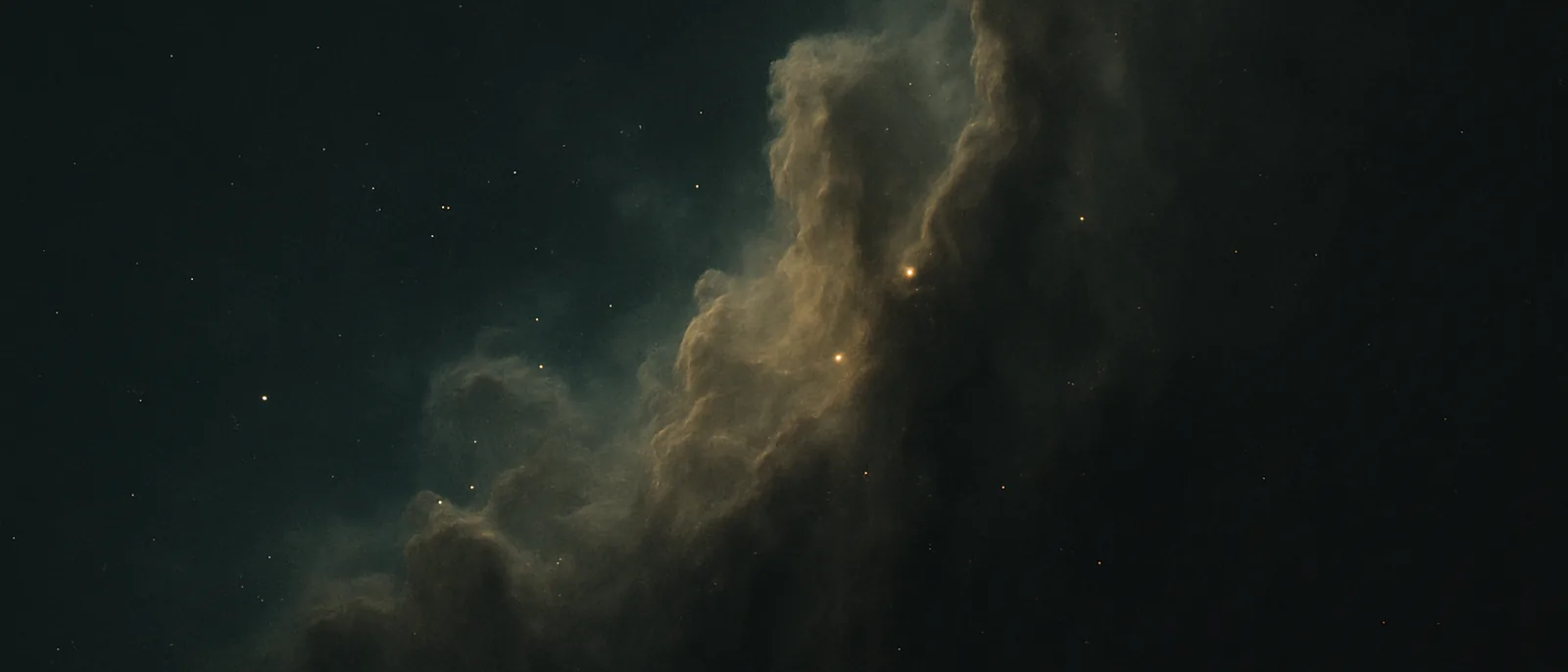
The heaven as 'smoke' (dukhan) and Surah Fussilat 41:11
Modern astrophysics holds that the early universe was filled with a hot, opaque plasma and later diffuse gas (mostly hydrogen and helium), and that…
-
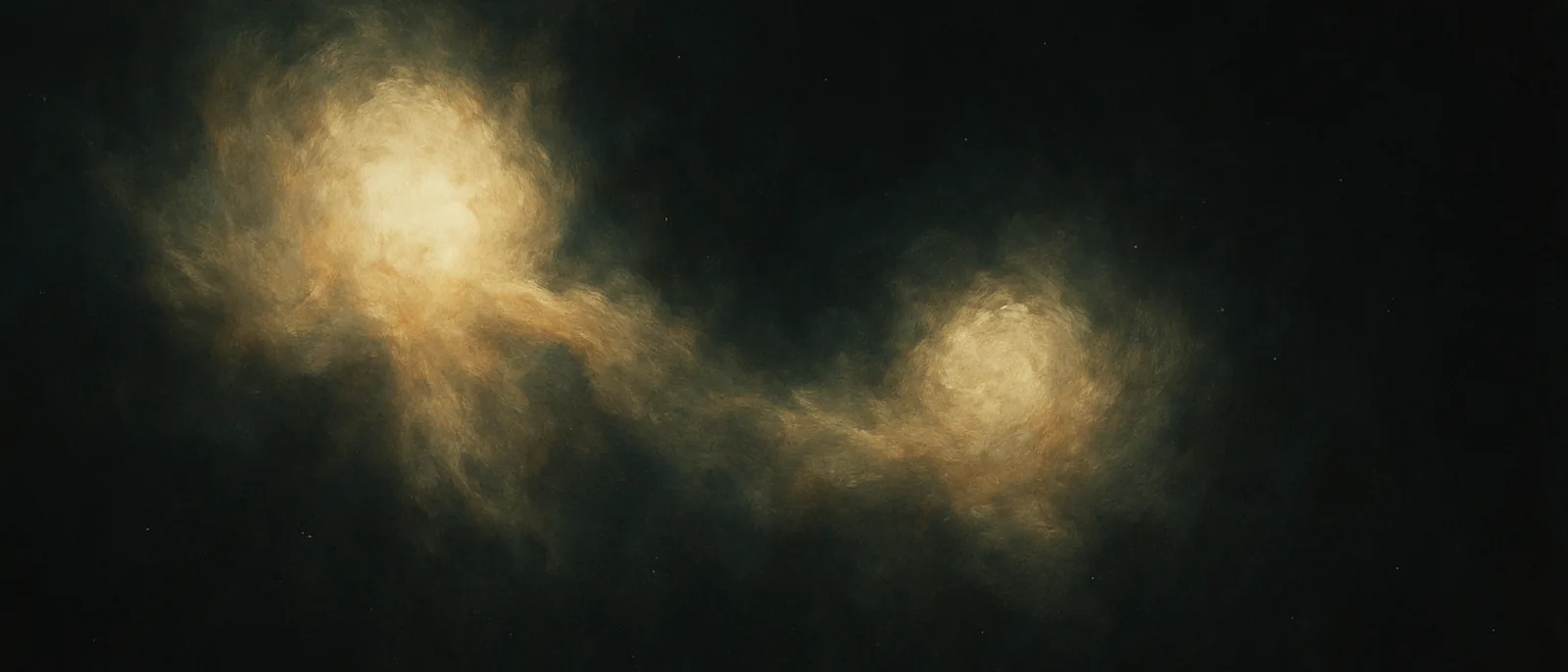
The heavens and earth as 'a joined entity, then We separated them' and Surah al-Anbiya 21:30
Modern cosmology, developed from Lemaitre's 1931 'primeval atom' hypothesis and confirmed by Penzias and Wilson's 1965 detection of the cosmic…
-

The moon as light (nur) and the sun as a lamp (siraj/diya) - Surahs Yunus 10:5, Nuh 71:15-16, al-Furqan 25:61
Modern astronomy confirms a fundamental physical difference: the sun generates light through nuclear fusion in its core, while the moon produces no…
-

The sky as a 'protected ceiling' and Surah al-Anbiya 21:32
Twentieth-century science established that the earth's atmospheric envelope and magnetic field protect the biosphere in several measurable ways: the…
-
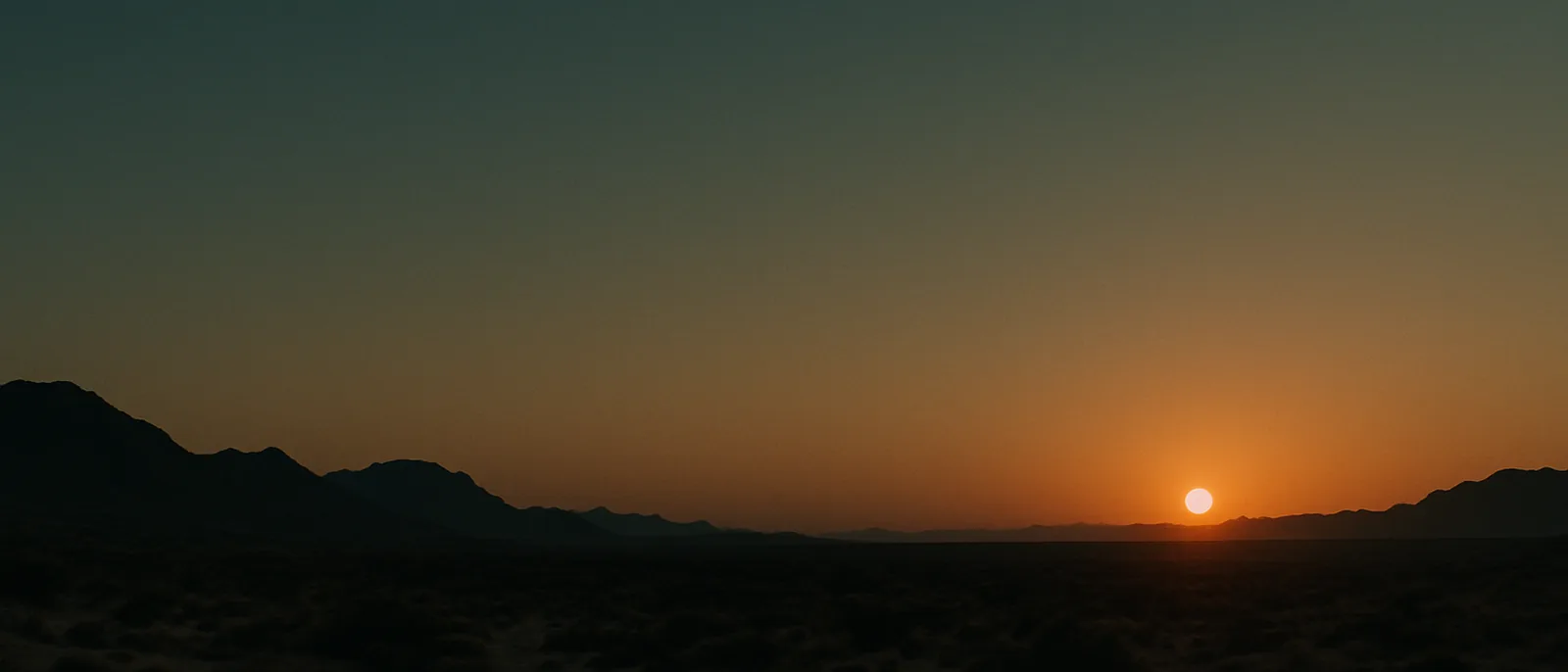
The sun and moon each 'swimming in an orbit' and Surah al-Anbiya 21:33 / Ya-Sin 36:40
Modern astronomy established that the moon orbits the earth (completing a circuit roughly monthly), and that the sun is not stationary: it orbits the…
-
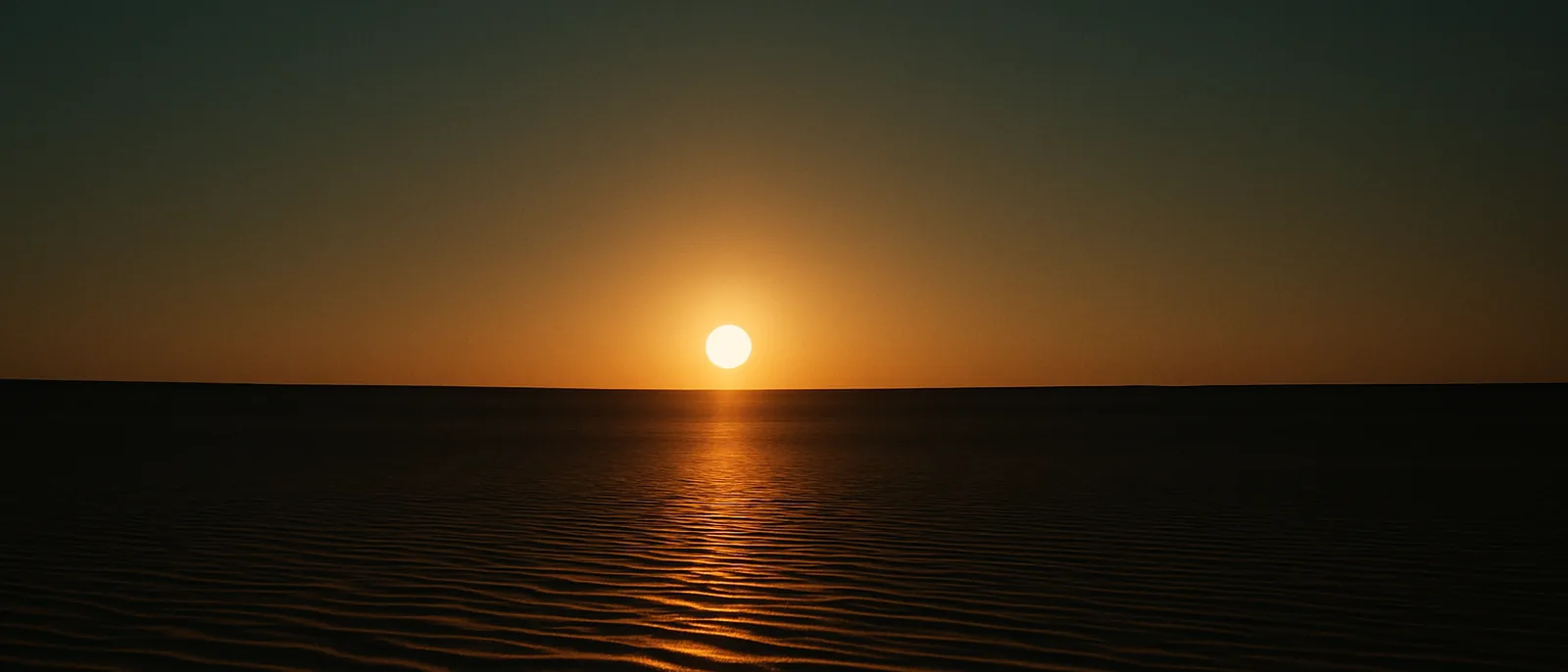
The sun running to a stopping point (mustaqarr) and Surah Ya-Sin 36:38
Two modern readings are commonly offered. First, the sun genuinely moves through space: William Herschel showed in 1783 that the solar system drifts…
-

'Lord of Sirius' and Surah an-Najm 53:49
Modern astronomy identifies Sirius as an A-type main-sequence star 8.6 light-years away, roughly 25 times more luminous than the sun, with a…
-

At-Tariq, 'the piercing star', and Surah at-Tariq 86:1-3
Some contemporary popularizers link these verses to pulsars: rapidly rotating neutron stars, discovered by Jocelyn Bell Burnell and Antony Hewish in…
-
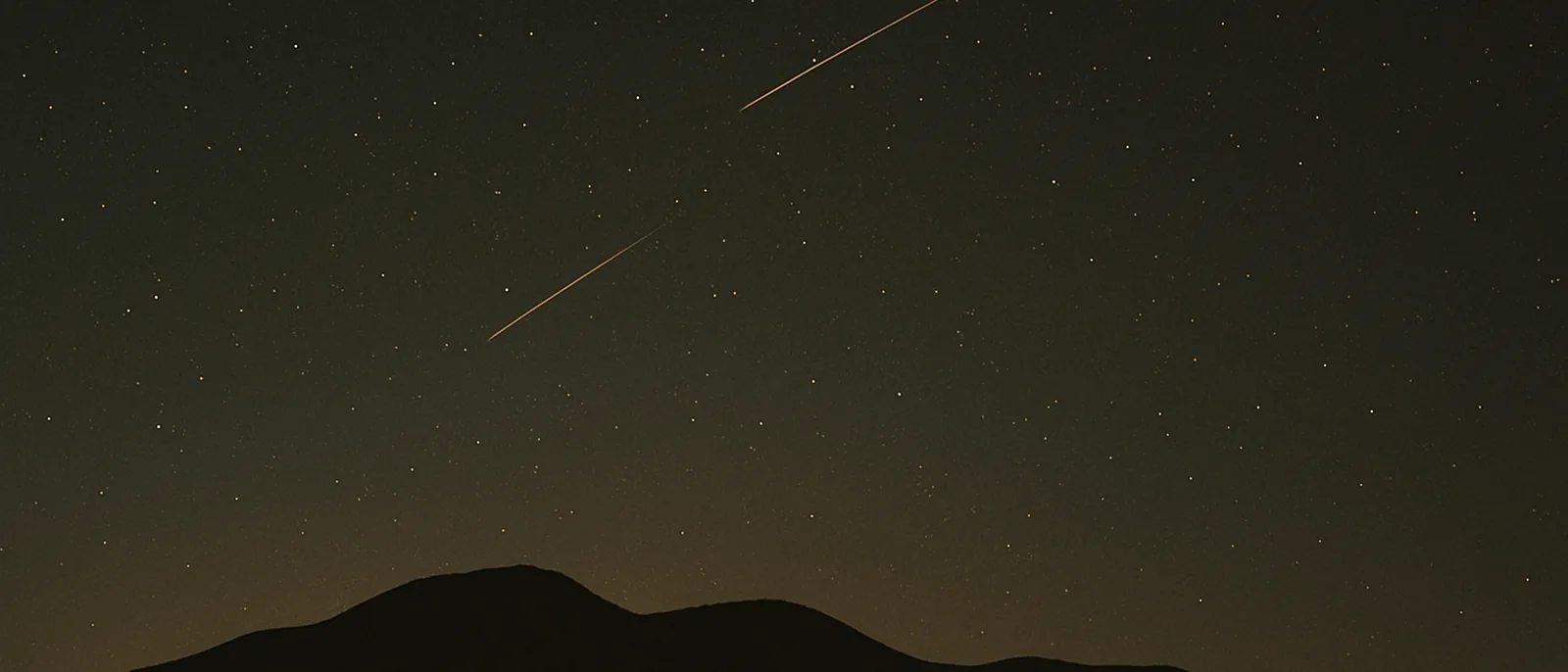
Stars as lamps of the lowest heaven and Surahs Fussilat 41:12 / al-Mulk 67:5
Modern astronomy describes stars as self-luminous spheres of plasma - 'lamps' in the sense of genuine light sources, unlike the reflective moon - and…
-
The heavens rolled up like a scroll, and the end-state of the universe
Two verses picture the heavens being folded 'like a scroll' at the end of the world, with the first creation repeated. Some read this as a…
-

The oath by the positions of the stars and Surah al-Waqi'ah 56:75-76
Modern astronomy shows that stellar 'positions' are far stranger than they appear: stars lie at distances of light-years, so we see each star where…
-
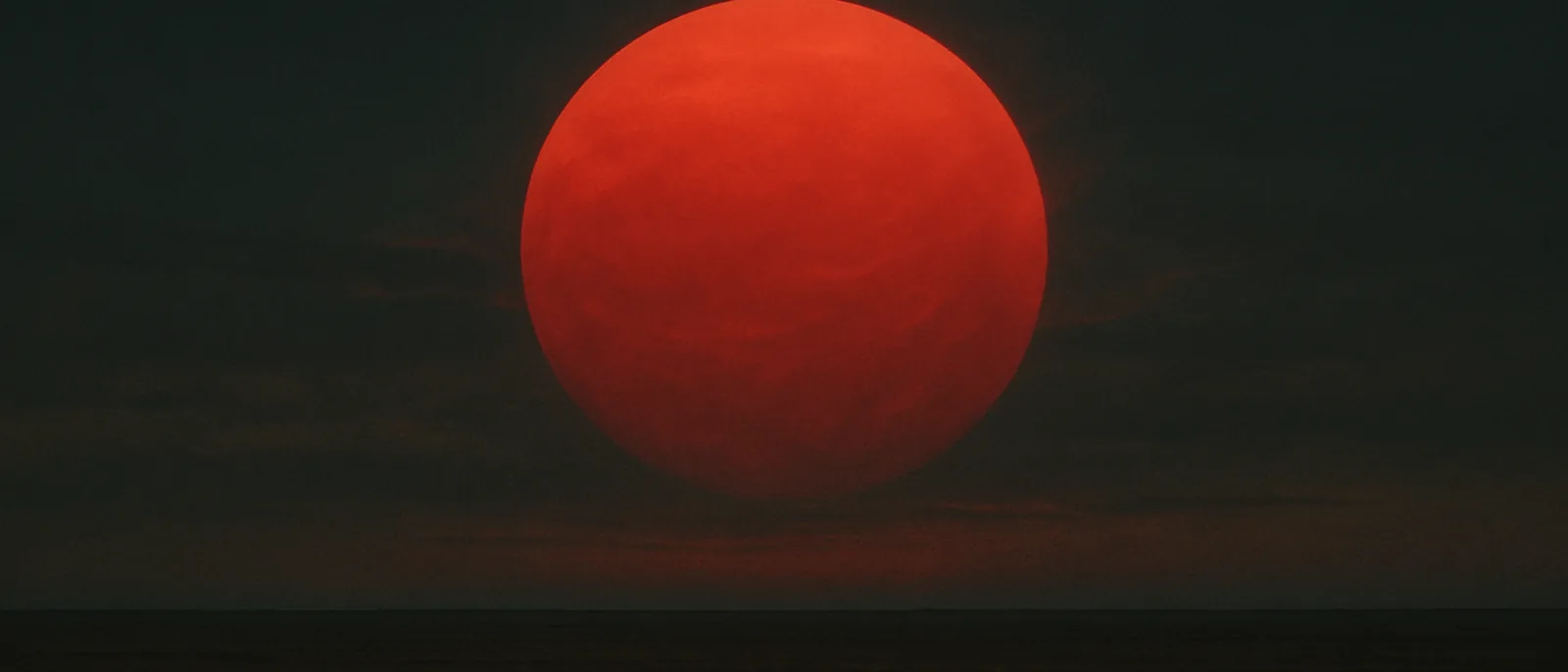
The sun 'wrapped up', and the death of the sun
Surah at-Takwir opens with the sun being 'wrapped up' and darkened at the world's end. It parallels the general fact that the sun will one day die,…
-

The sun and the moon by precise calculation - Surah ar-Rahman 55:5
Newton's Principia (1687) showed that solar-system motions follow from a single gravitational law expressible in exact mathematics, and modern…
Earth & Geology
-
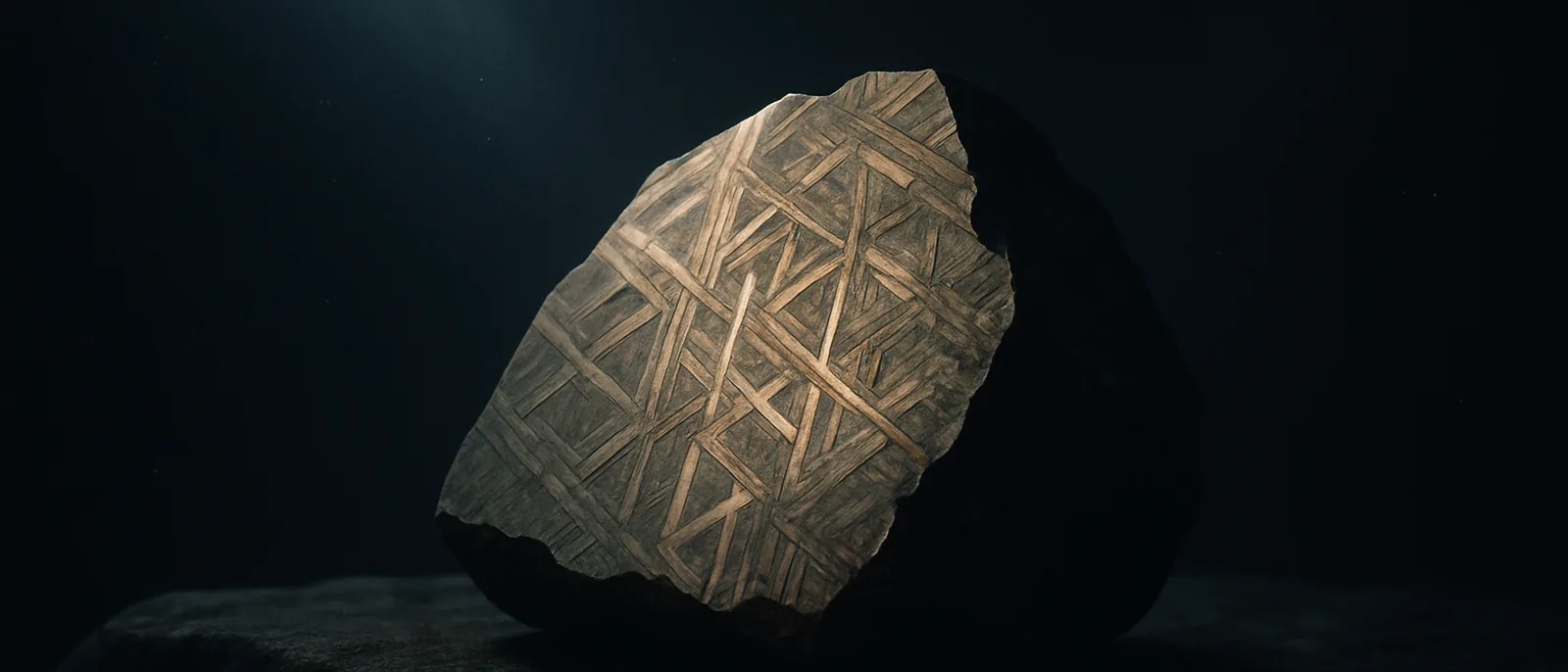
Iron 'sent down' in Surah al-Hadid 57:25 and the extraterrestrial origin of iron
Twentieth-century astrophysics, codified in the 1957 Burbidge-Burbidge-Fowler-Hoyle synthesis paper, established that iron is forged by nuclear…
-

Mountains as stakes (awtad) and firm anchors (rawasi) in Surah an-Naba 78:6-7 and related verses
Modern geodesy and seismology established that mountain ranges have deep crustal 'roots' extending into the denser mantle, broadly like the submerged…
-
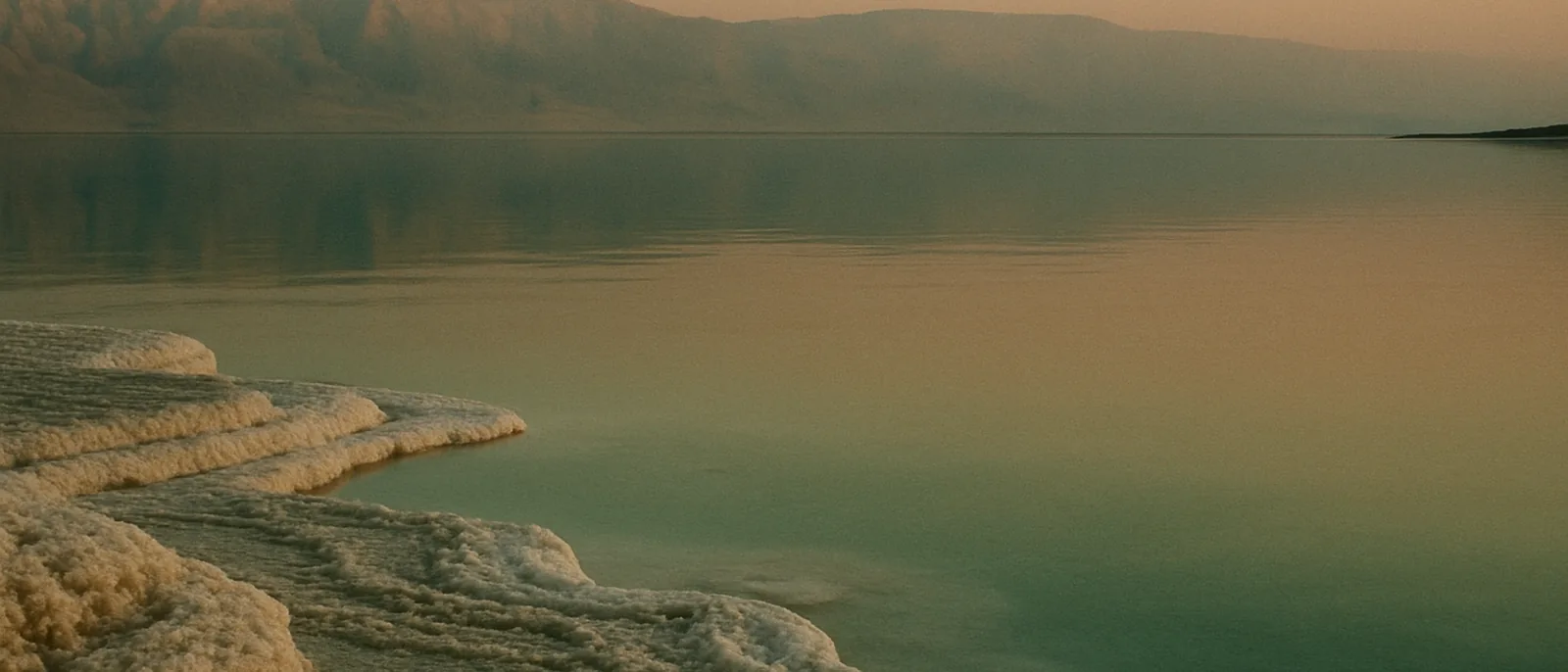
The 'lowest land' (adna al-ard) in Surah ar-Rum 30:2-3 and the Dead Sea depression
Modern surveying, beginning with nineteenth-century expeditions to the Jordan Valley (the depression's depth below the Mediterranean was established…
-
'And after that He spread the earth' (dahaha) in Surah an-Nazi'at 79:30
A widely circulated modern argument holds that dahaha derives from or evokes duhya/udhiyy (associated with ostrich eggs) and therefore that the verse…
-

Mountains passing like clouds in Surah an-Naml 27:88 and continental motion
Plate tectonics, proposed by Alfred Wegener as continental drift in 1912 and accepted in its modern form in the 1960s, established that the…
-

Seven heavens in layers and 'of the earth, the like of them' (65:12, 71:15)
Modern popular literature maps these verses onto two different findings: the layered structure of Earth's atmosphere (troposphere, stratosphere,…
-
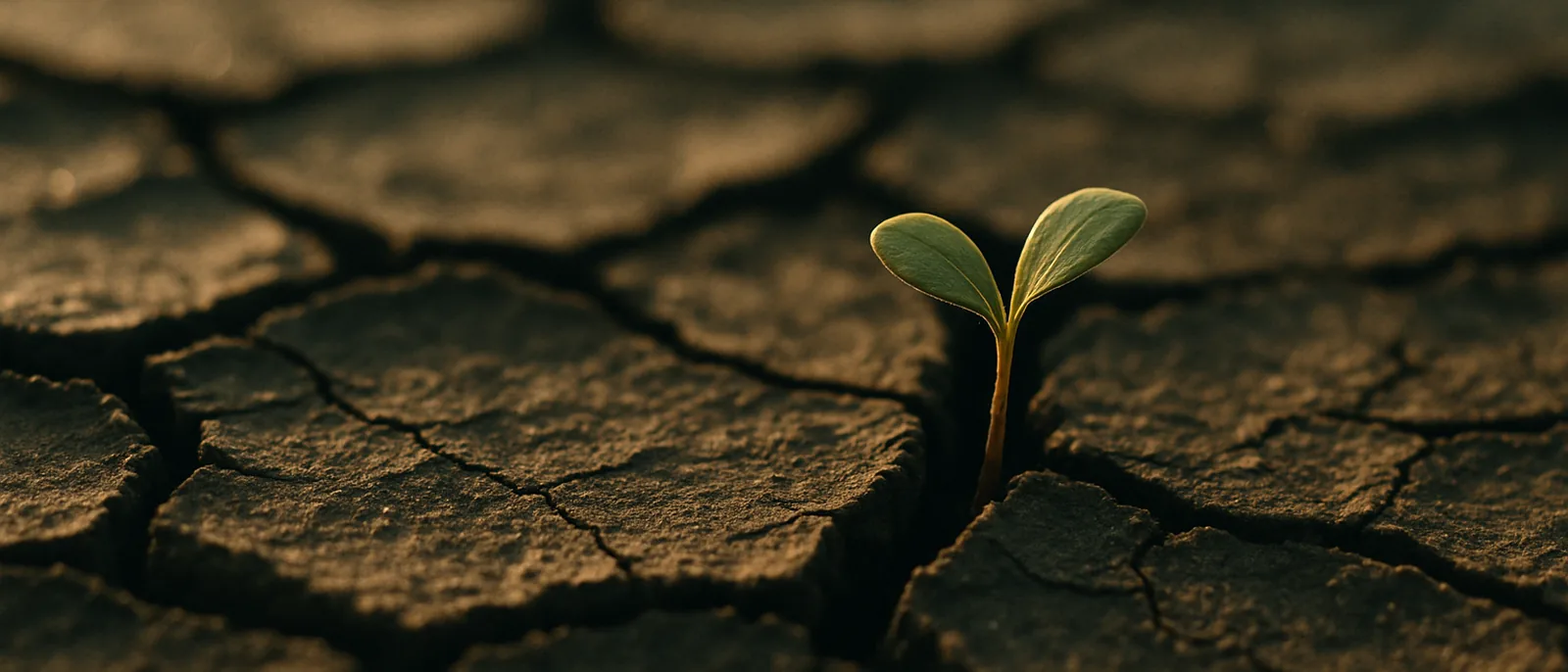
The earth 'of cracks' (86:12) and its splitting for plant growth (80:25-28)
Some modern commentators have extended the oath of 86:12 to the network of faults, rifts and joints that fracture the Earth's crust — features mapped…
-
The final earthquake and the earth expelling its burdens in Surah az-Zalzalah 99:1-5
This passage is eschatological, and this catalog records it as such rather than as a scientific correspondence. Some modern popularizers have…
-
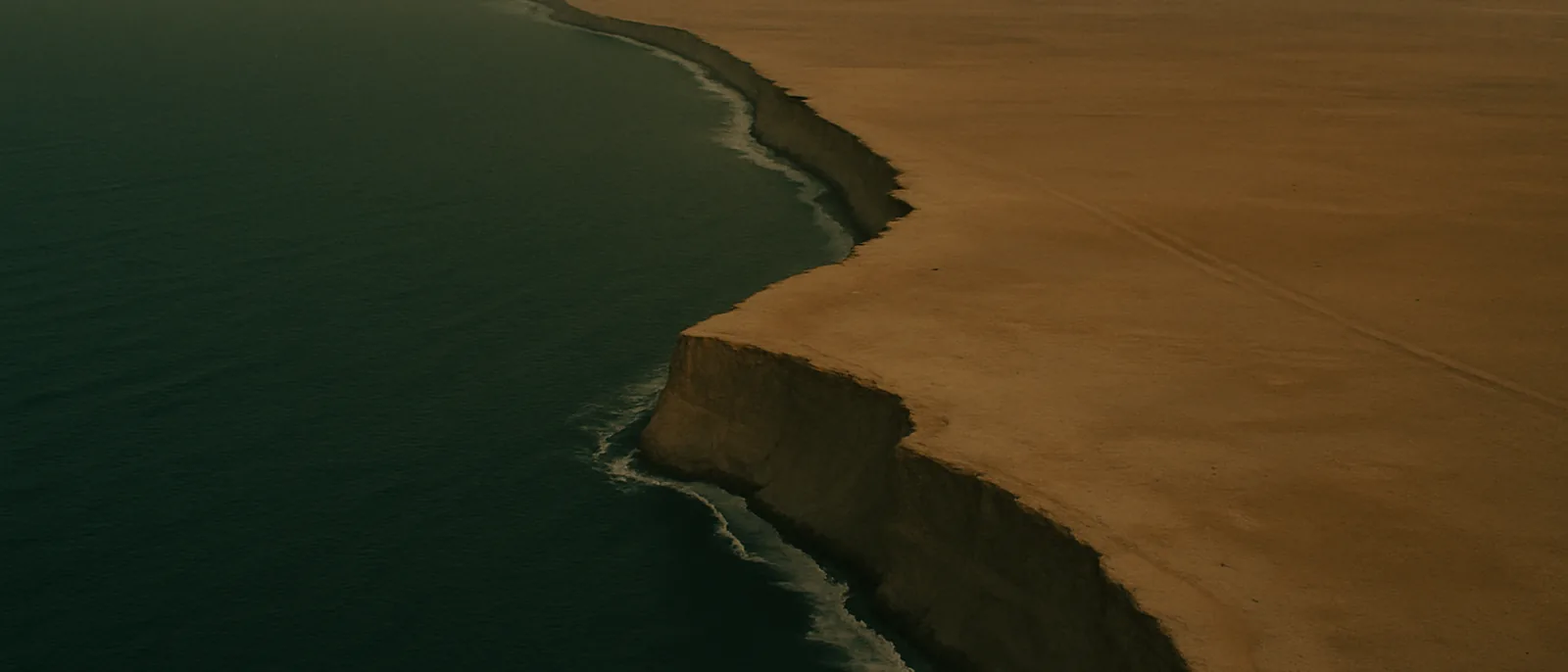
The land 'reduced from its borders' in Surah ar-Ra'd 13:41 and al-Anbya 21:44
Modern popularizers have attached several distinct scientific readings to these verses: the flattening of the Earth at its poles due to rotation…
-
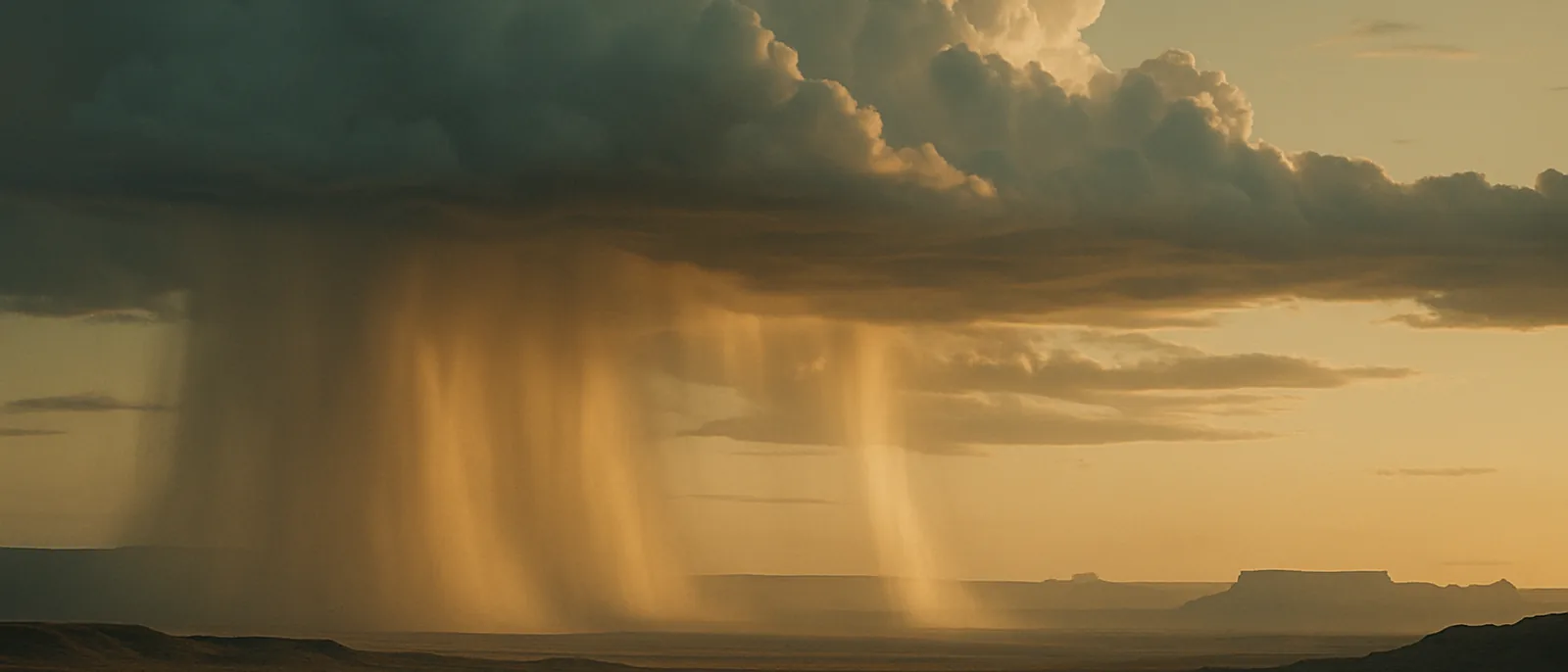
The sky 'which returns' (as-sama' dhat ar-raj') in Surah at-Tariq 86:11
The hydrologic cycle — ocean evaporation, atmospheric transport, condensation and precipitation returning water to the surface — was first…

Oceans, Water & Sky
-
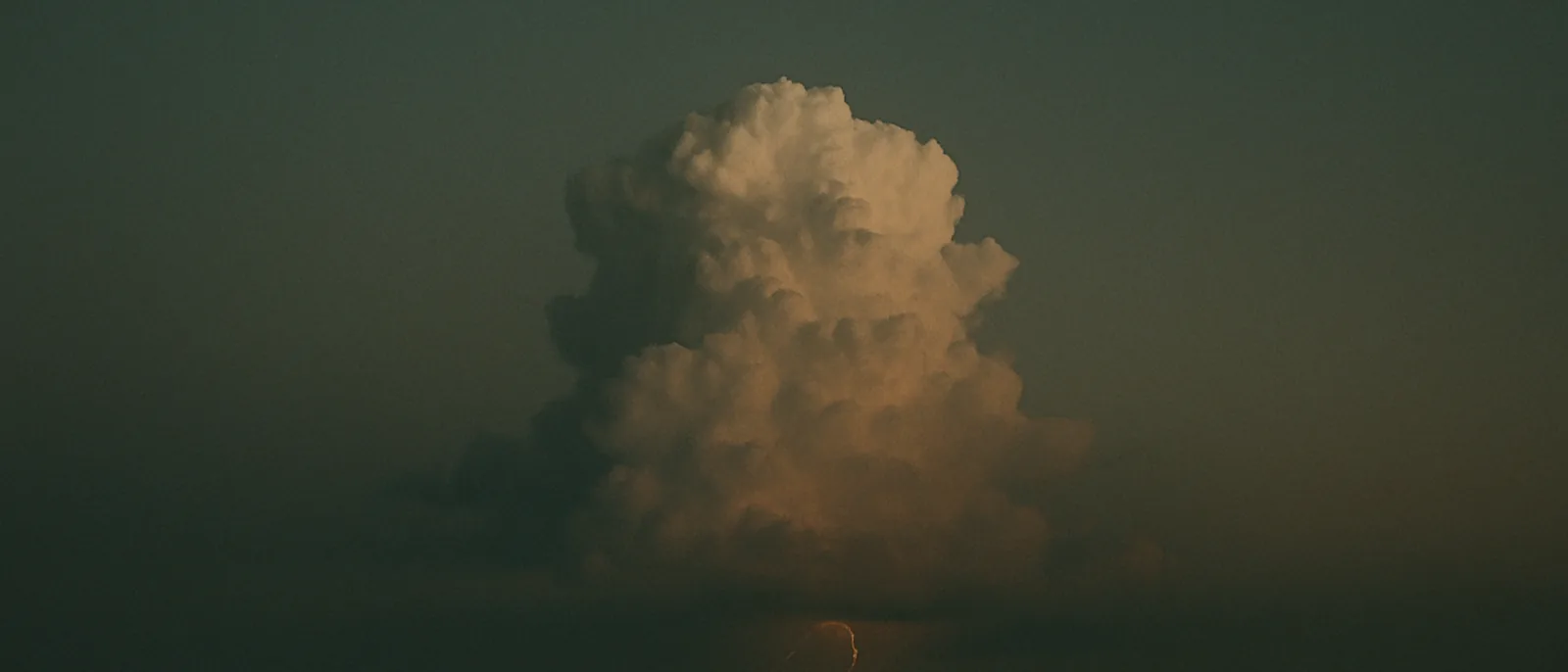
Cloud formation and hail from mountains in the sky in Surah an-Nur 24:43
Modern meteorology describes how winds drive and merge cumulus clouds that build vertically into towering cumulonimbus, storm clouds that can reach…
-

Deep-sea darkness and waves upon waves in Surah an-Nur 24:40
Modern oceanography establishes that sunlight is progressively absorbed and scattered with depth: the sunlit (euphotic) zone gives way to a dim…
-

Every living thing made from water in Surah al-Anbiya 21:30 and Surah an-Nur 24:45
Modern biology establishes that water is the principal component of living cells and organisms, typically comprising a large majority of body and…
-
Fresh and salt seas and their differing yields in Surah Fatir 35:12
Modern hydrology and fisheries science confirm that both freshwater and marine environments support edible fish ('tender meat') and that ornaments…
-

Rain stored in the earth and issuing as springs in Surah al-Muminun 23:18 and Surah az-Zumar 39:21
The modern hydrologic cycle, formalised from the 17th century onward, shows that precipitation infiltrates soil and rock, is stored in aquifers as…
-

The barrier (barzakh) between two seas and Surah ar-Rahman 55:19-20
Physical oceanography, developed largely from the 19th century onward, describes how adjacent water masses of different salinity, temperature and…
-
Winds sent as fertilizers in Surah al-Hijr 15:22
Modern botany documents anemophily, wind pollination, whereby wind transports pollen between plants, a major reproductive pathway for grasses, many…
-
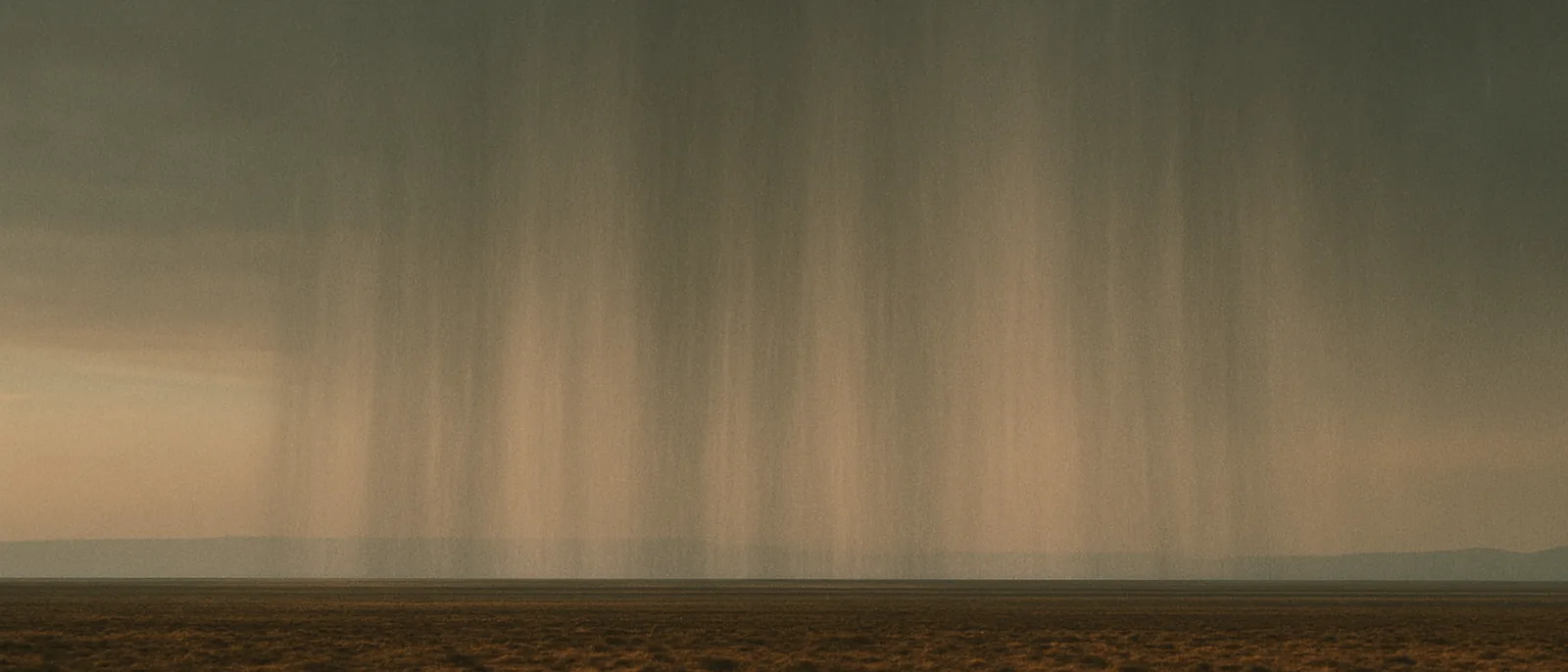
Rain sent down in measured amounts in Surah az-Zukhruf 43:11
Hydrology and climatology describe precipitation as part of a balanced global water budget: the total water evaporating and returning as…
Human Development & Medicine
-
Gestation plus weaning of thirty months across 46:15, 31:14, and 2:233
Combining the verses, gestation plus weaning equals thirty months (46:15), while full weaning is two years, i.e., twenty-four months (31:14; 2:233).…
-

Honey as 'healing for people' in Surah an-Nahl 16:69
Modern research has documented genuine, if limited, medicinal properties of honey: it has antibacterial activity (from hydrogen peroxide production,…
-

Milk from 'between excretion and blood' in Surah an-Nahl 16:66
Physiology describes milk as synthesized in the mammary glands from nutrients carried by the bloodstream, nutrients that are absorbed from the…
-

Reconstructing the fingertips in Surah al-Qiyamah 75:3-4
The verse singles out the 'banan' (fingertips) as a special demonstration of God's power to reconstruct a person. Commentators connect this to the…
-

Renewed skins to taste punishment in Surah an-Nisa 4:56
The verse says renewed skins are given specifically so the punishment can continue to be felt. Modern physiology locates pain reception in…
-

Sex of offspring tied to the emitted drop in Surah an-Najm 53:45-46
The verse links the creation of 'male and female' directly to the emitted drop (the seminal fluid). Genetics established in the 20th century…
-
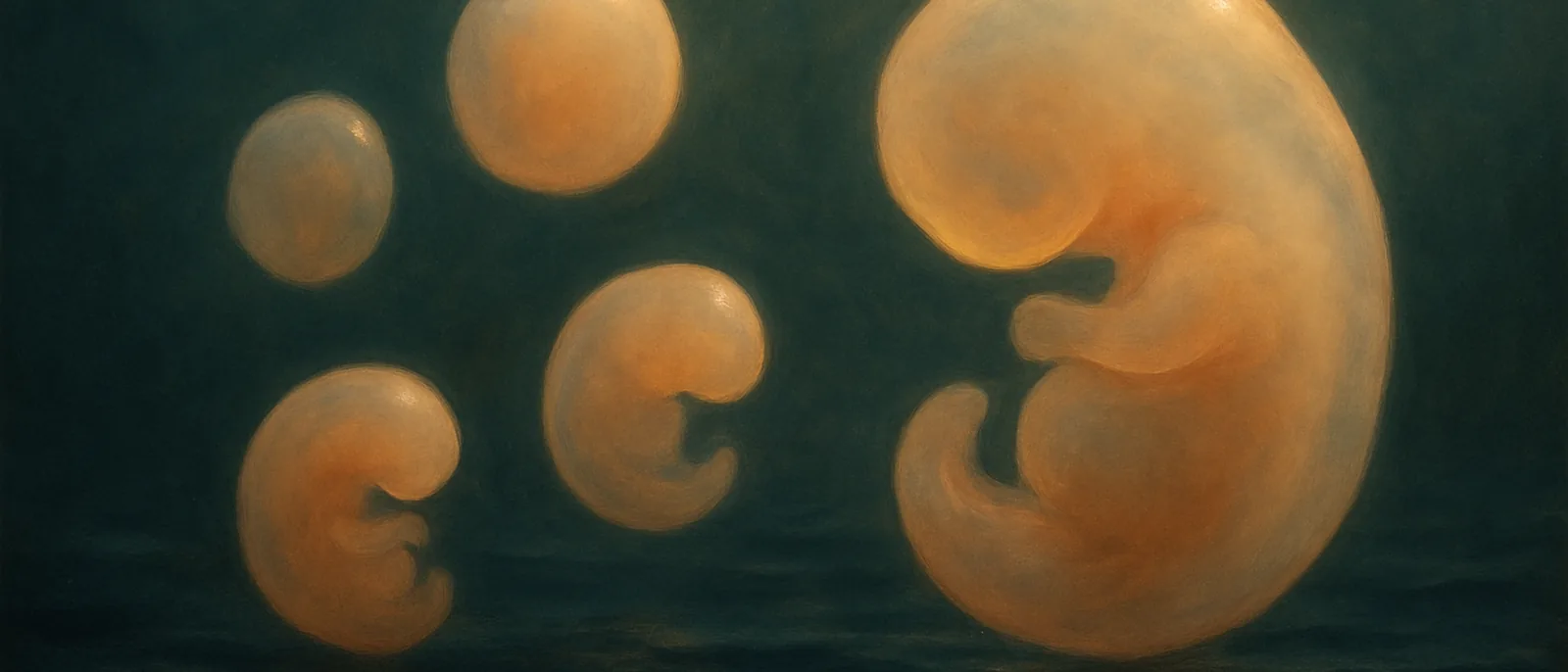
Stages of embryonic development in Surah al-Mu'minun 23:12-14 and al-Hajj 22:5
Modern embryology, formalized from the 19th century and detailed in works such as Keith Moore and T.V.N. Persaud's 'The Developing Human,' describes…
-

The 'mingled' sperm-drop (nutfah amshaj) in Surah al-Insan 76:2
The word 'amshaj' means mixtures or things mingled together. Commentators read this as the union that produces the zygote. Reproductive biology,…
-

Creation from a 'sulalah' (extract) in Surah al-Mu'minun 23:12 and as-Sajdah 32:8
The word 'sulalah' denotes an extract, a gently drawn-out portion, or the best/quintessence of a thing. Commentators note that of the large volume of…
-

Hearing named before sight in creation verses 32:9 and 76:2
Across many verses the Qur'an consistently lists hearing (as-sam') before sight (al-basar). Commentators connect this fixed ordering to fetal…
-

The 'lying, sinning forelock' (nasiyah) in Surah al-Alaq 96:15-16
The verse characterizes the forelock itself as 'lying' and 'sinning,' attributing moral qualities to the front of the head. Commentators connect this…
-
The 'three darknesses' of the womb in Surah az-Zumar 39:6
The phrase 'three darknesses' (thalath zulumat) has been read by modern commentators as three anatomical layers enveloping the developing fetus: the…
-
The turning of the sleepers of the cave, and the prevention of pressure sores
In Surah al-Kahf the sleepers of the cave are turned right and left through their centuries-long sleep. It parallels the modern practice of…
Animals & the Natural World
-

Pairs in all things, including "what they do not know": 36:36, 51:49, 20:53
The verses assert that everything was created in pairs, including "pairs" of plants and things the audience did not yet know. The sexual reproduction…
-
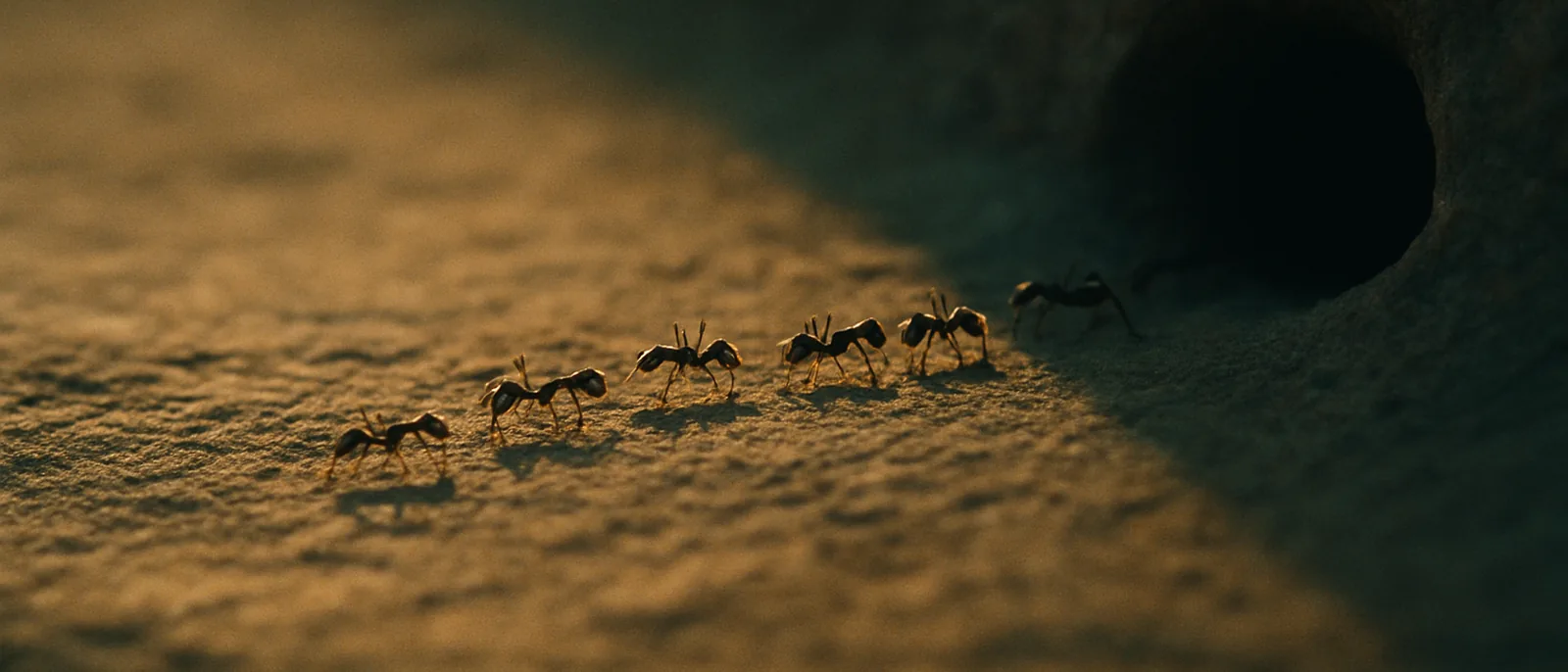
The ant's warning and the valley of the ants, Surah an-Naml 27:18-19
Modern myrmecology, developed largely in the twentieth century, has shown that ants communicate through chemical pheromones, including alarm signals,…
-
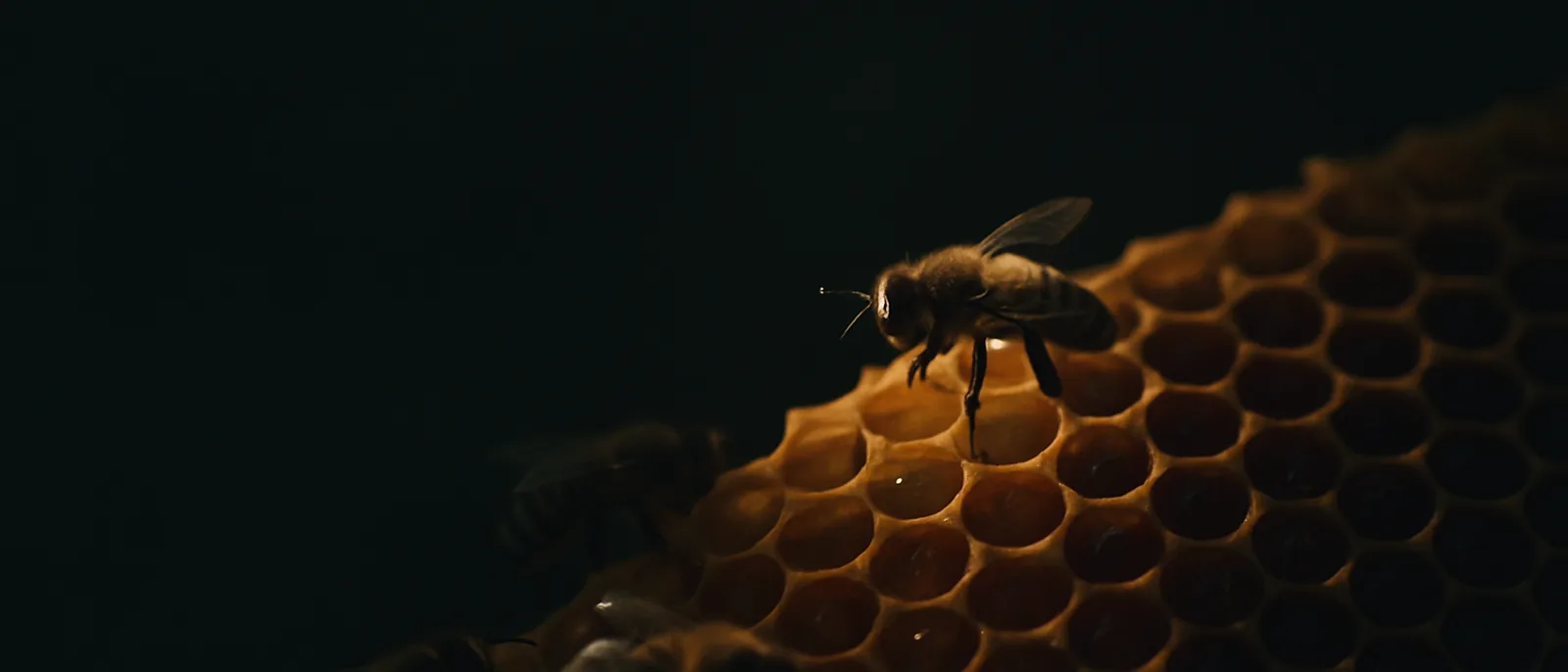
The female worker bee and Surah an-Nahl 16:68-69
The commands in 16:68-69 addressed to the bee that builds hives, forages among fruits and produces honey are given in the feminine (for example…
-
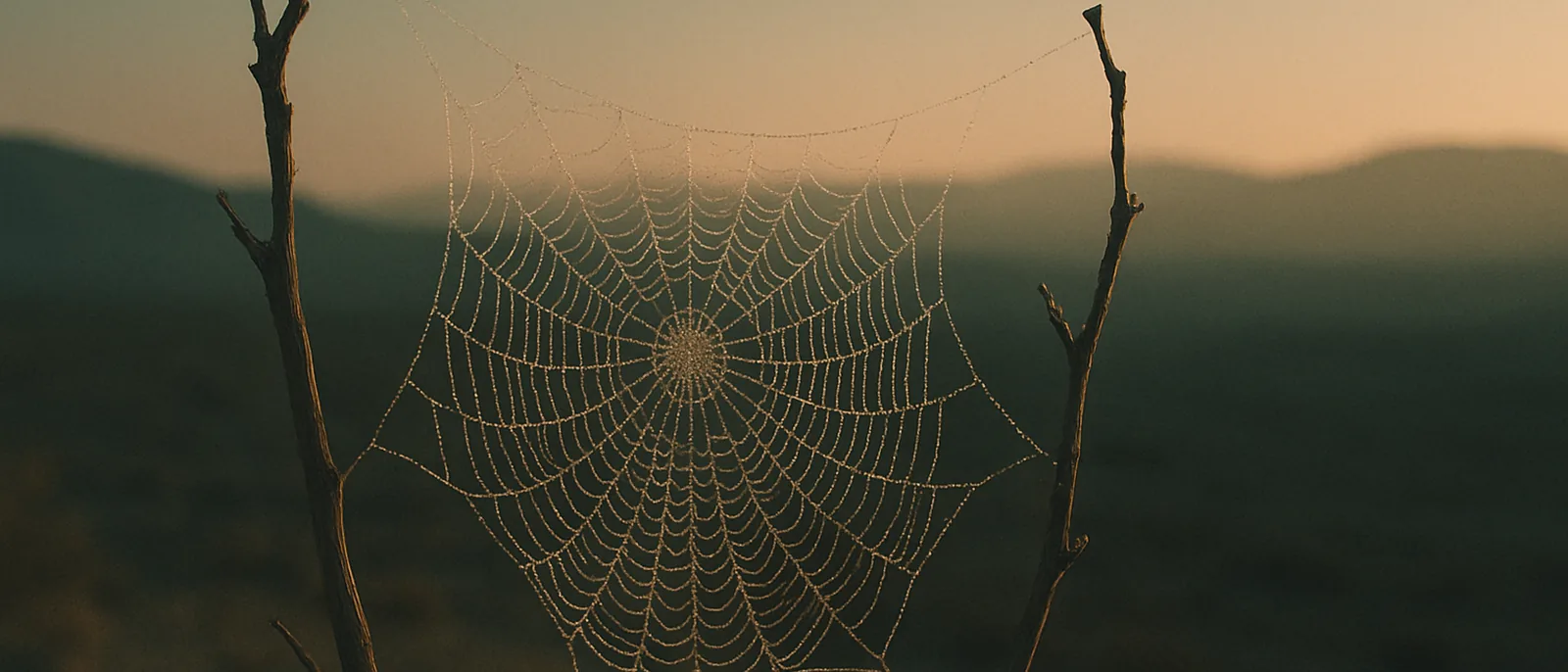
The spider's fragile house and Surah al-Ankabut 29:41
The verse describes the spider that "takes a home" using a feminine verb form. In the great majority of web-spinning spiders it is the female that…
-
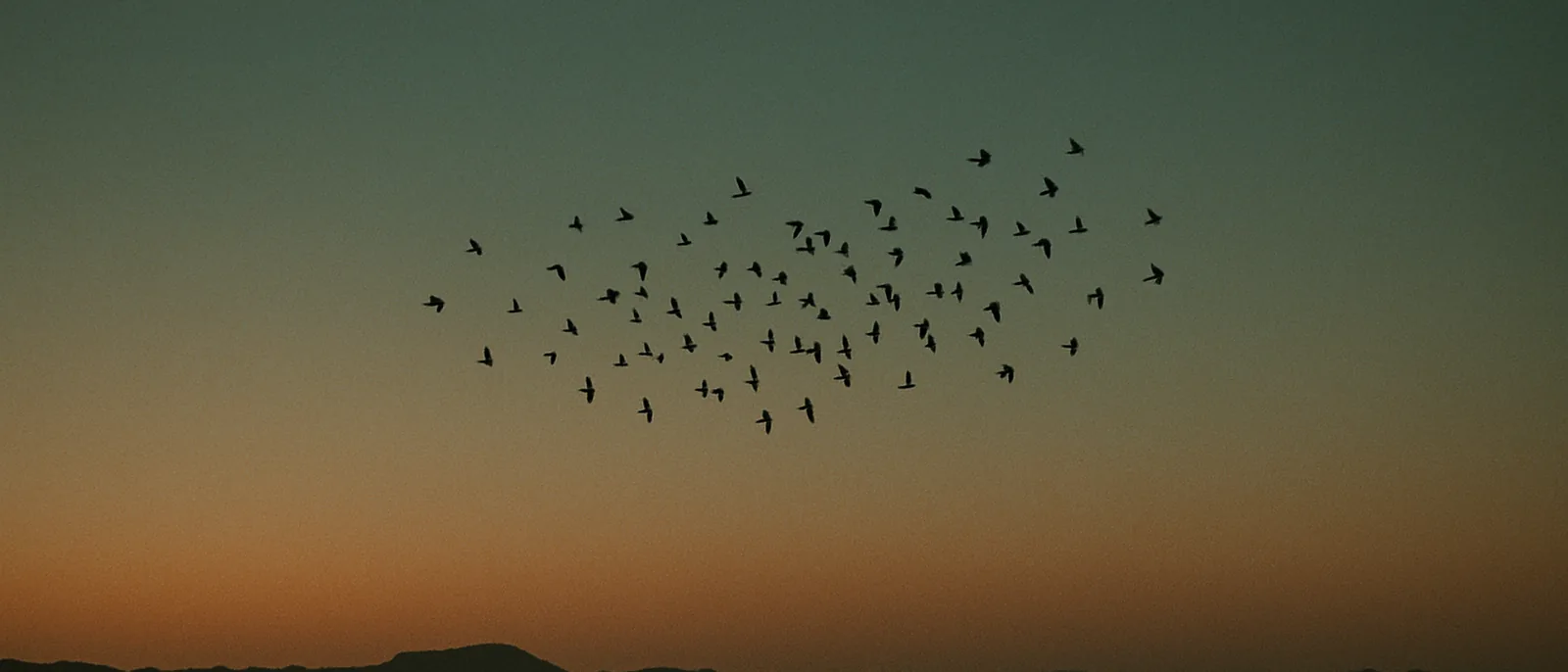
Animals and birds as communities "like you", Surah al-An'am 6:38
The verse characterizes land animals and birds as "communities like you." Modern ethology and sociobiology, developed across the twentieth century,…
-
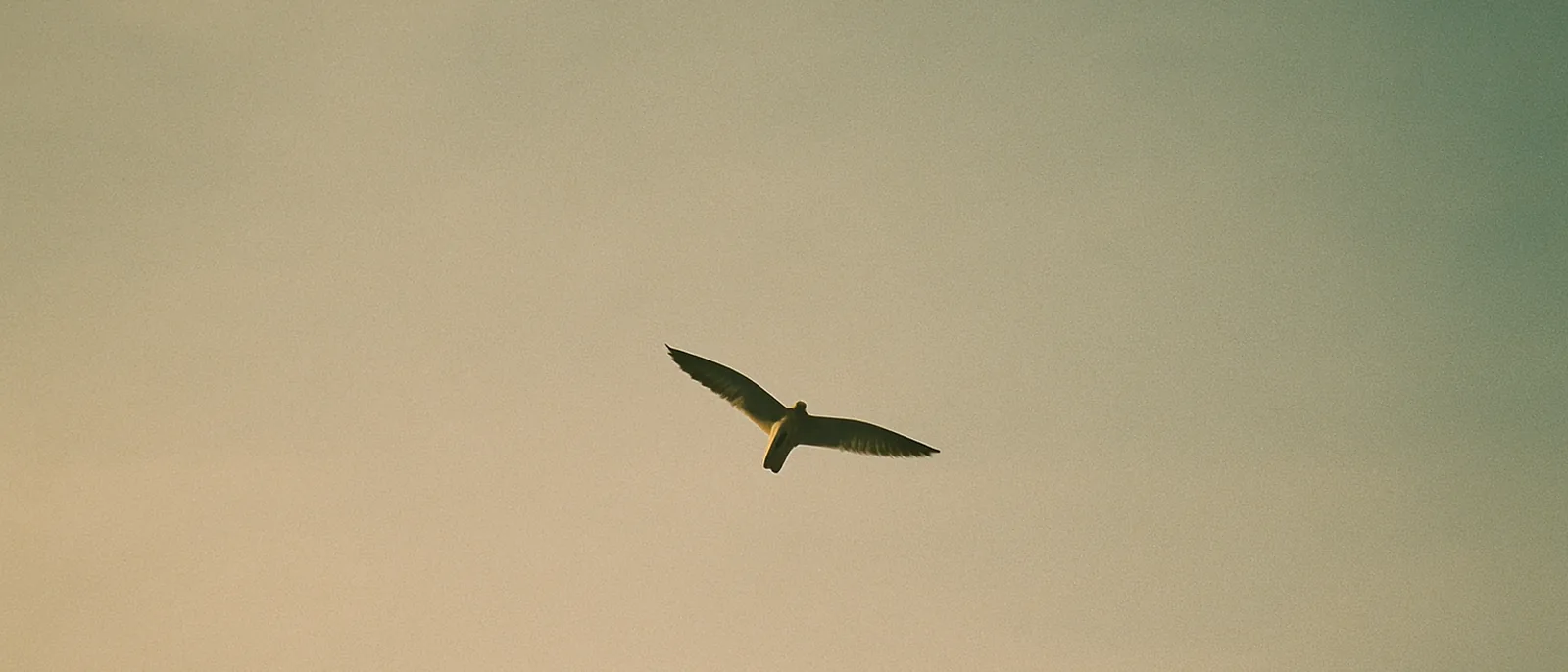
Birds held aloft in flight, Surah al-Mulk 67:19 and an-Nahl 16:79
Both verses draw attention to birds being suspended in "the atmosphere of the sky" and to the interplay of outstretched (saffat) and folded (yaqbidn)…
-
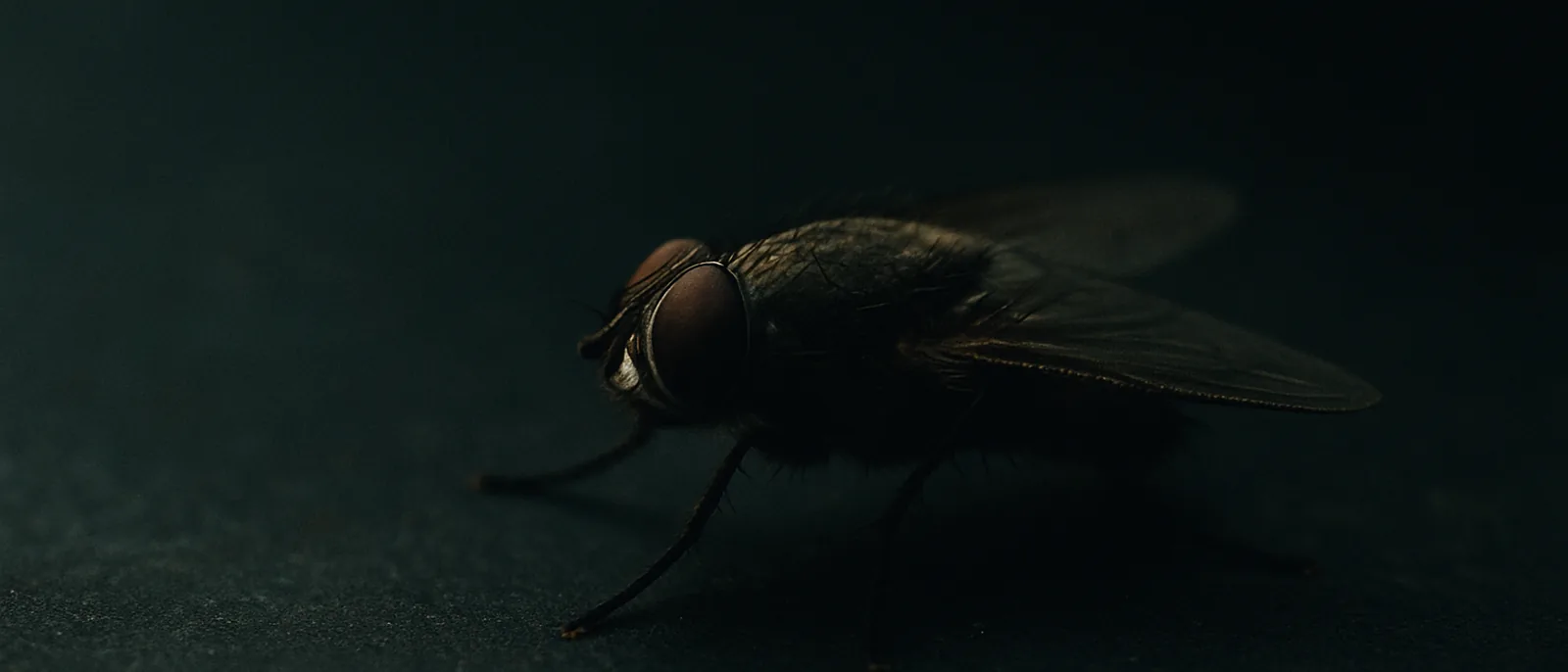
The fly parable and Surah al-Hajj 22:73
The primary point of the verse is theological, on the impotence of anything worshiped besides God. A minority of modern commentators have connected…
-

The mosquito "and what is beyond it", Surah al-Baqarah 2:26
Some modern commentators highlight fama fawqaha ("what is beyond it") and the mosquito itself: the female mosquito hosts organisms and parasites…
-

The two wings of the housefly: disease and cure
An authentic hadith instructs dipping a fly that falls in a drink, stating one wing carries disease and the other a cure. The site presents the…

History & Preservation
-
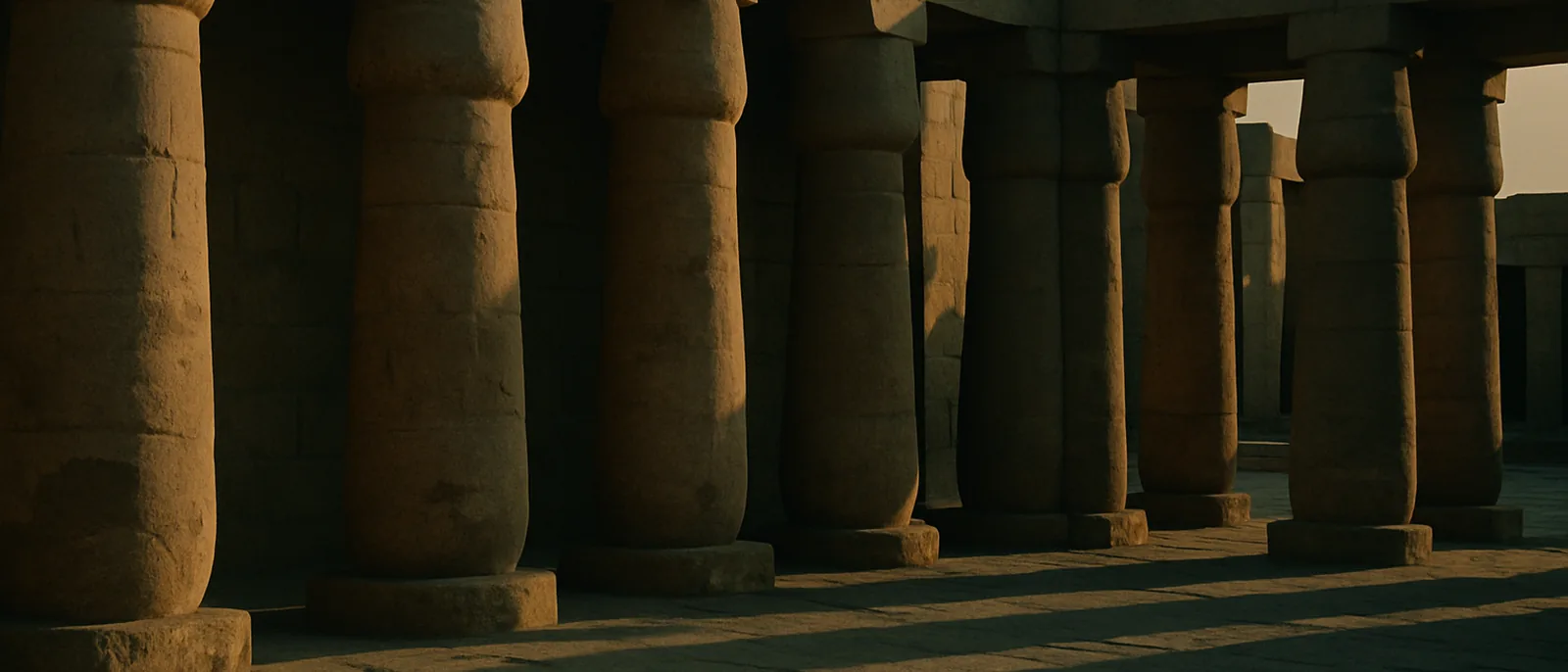
The Qur'an's use of 'king' for Egypt's ruler in Joseph's era and 'Pharaoh' in Moses' era
Egyptology established in the nineteenth and twentieth centuries that 'pharaoh' derives from per-aa ('Great House'), which referred to the palace and…
-
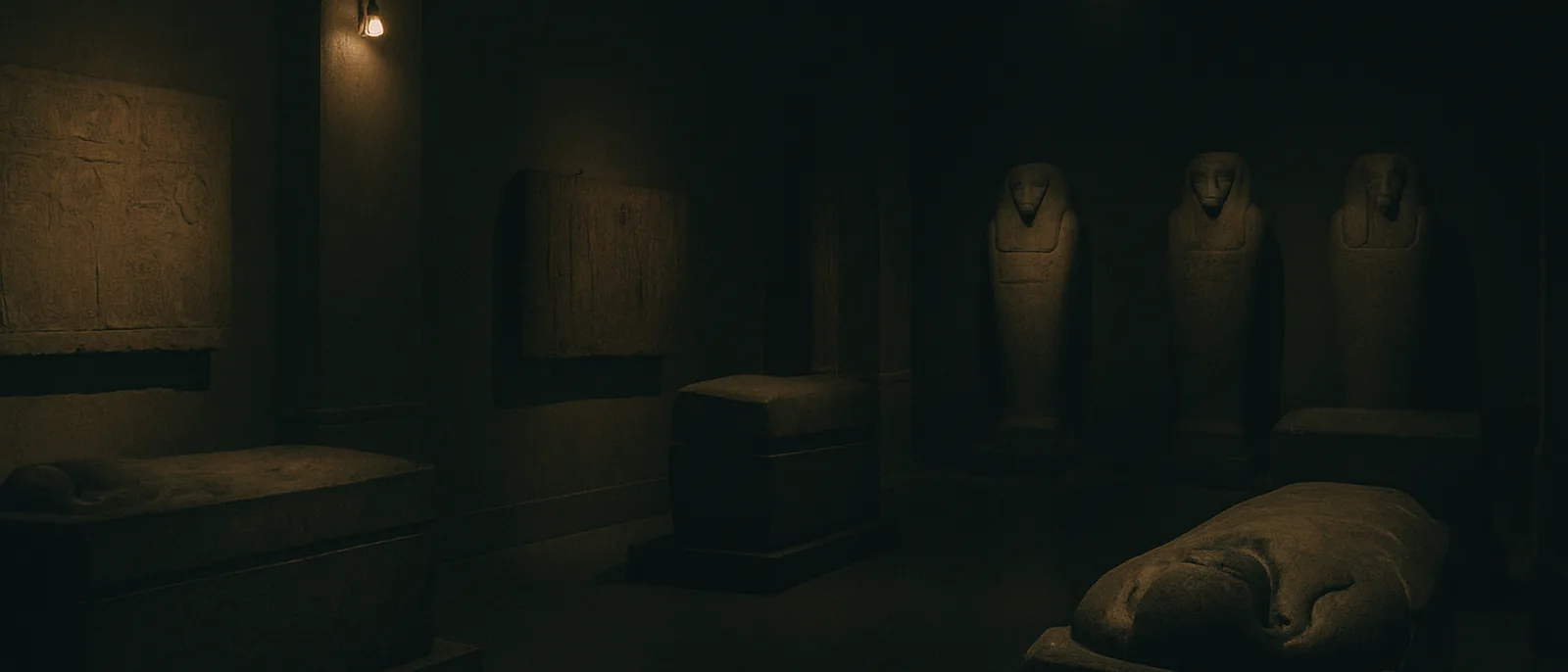
The preservation of Pharaoh's body as a sign and Surah Yunus 10:90-92
In 1881 the Deir el-Bahari cache (TT320) yielded dozens of royal mummies, including Ramesses II, and in 1898 Victor Loret found a second cache in…
-
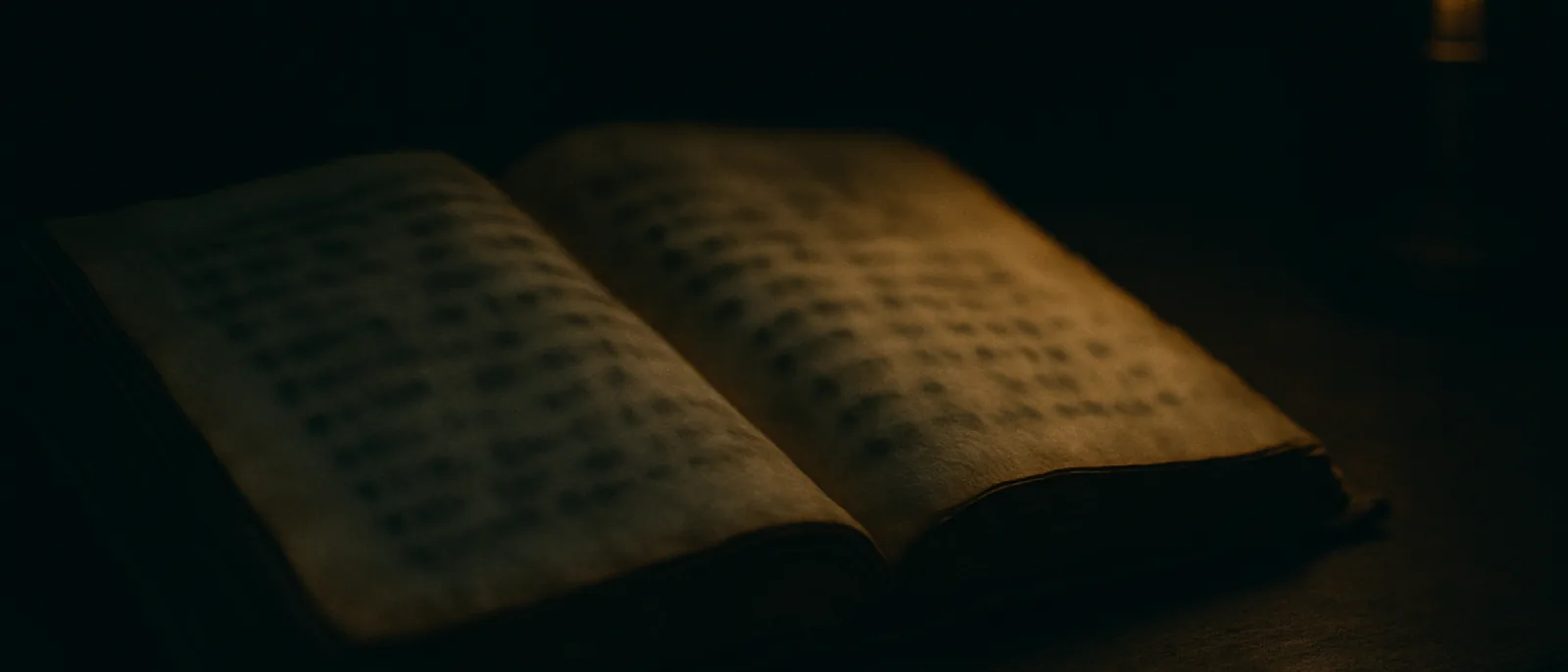
The promise of the Qur'an's preservation in Surah al-Hijr 15:9 and the manuscript record
The material record is now unusually strong for a text of this age. In 2015 the University of Birmingham announced that the parchment of its Qur'an…
-

Divergences between the Qur'anic drowning narrative and the Exodus account
Commentators have observed that precisely where the Qur'an departs from the biblical account — a last-moment profession of faith that is rejected,…
-
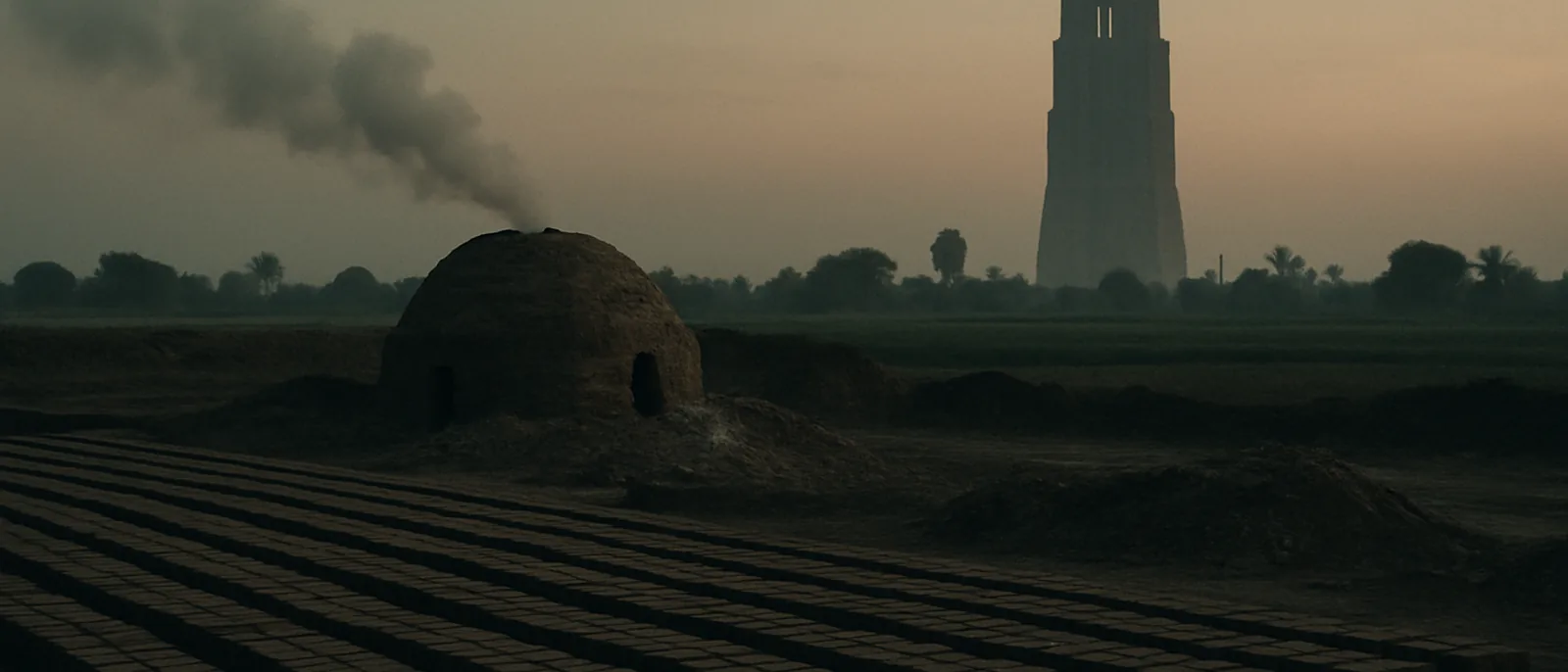
Haman as an official of Pharaoh's court in Surah al-Qasas 28:38 and Surah Ghafir 40:36
The most widely circulated Muslim response, popularized by Maurice Bucaille ('Moses and Pharaoh,' 1994) and later by Harun Yahya websites, claims…
-
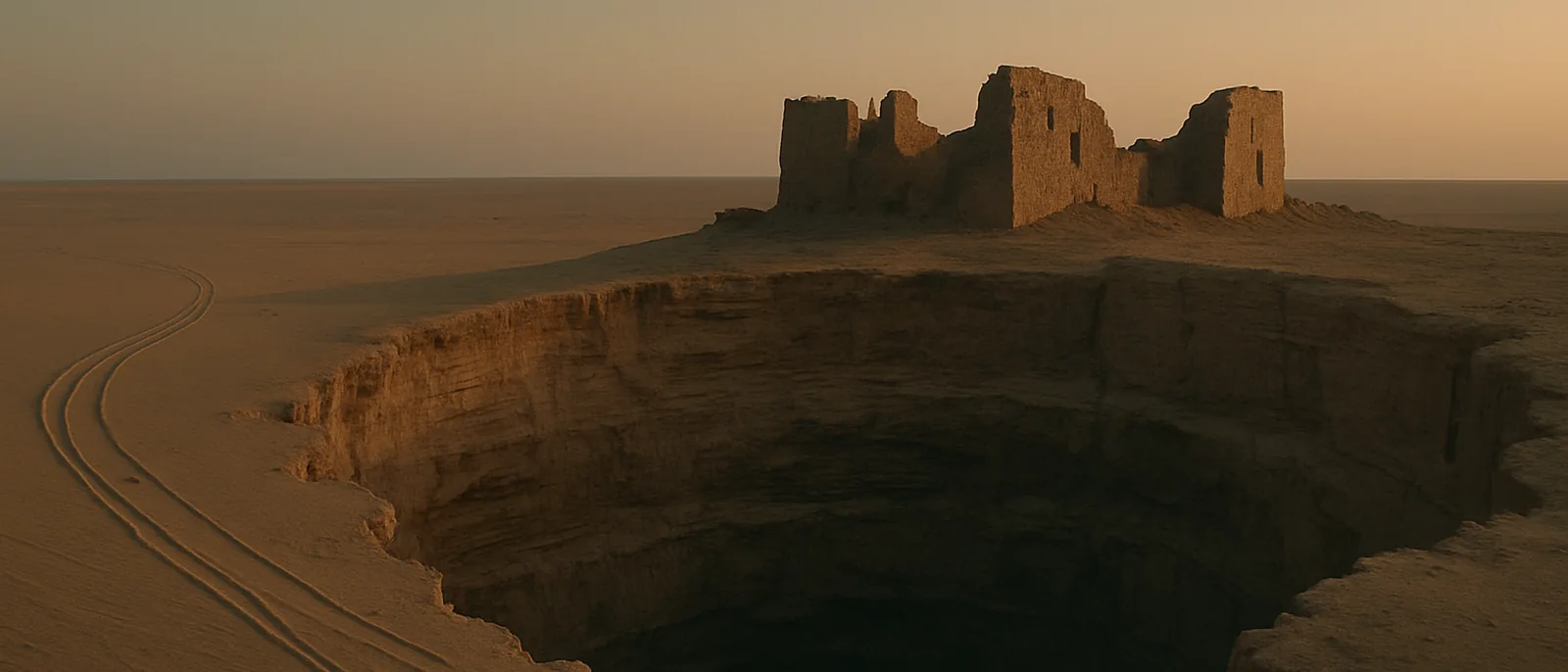
Iram of the pillars and the people of 'Aad in Surah al-Fajr 89:6-8
Two modern claims are commonly attached to these verses. First, that the name 'Iram' appears in the Ebla tablets (excavated in Syria from 1974,…
-
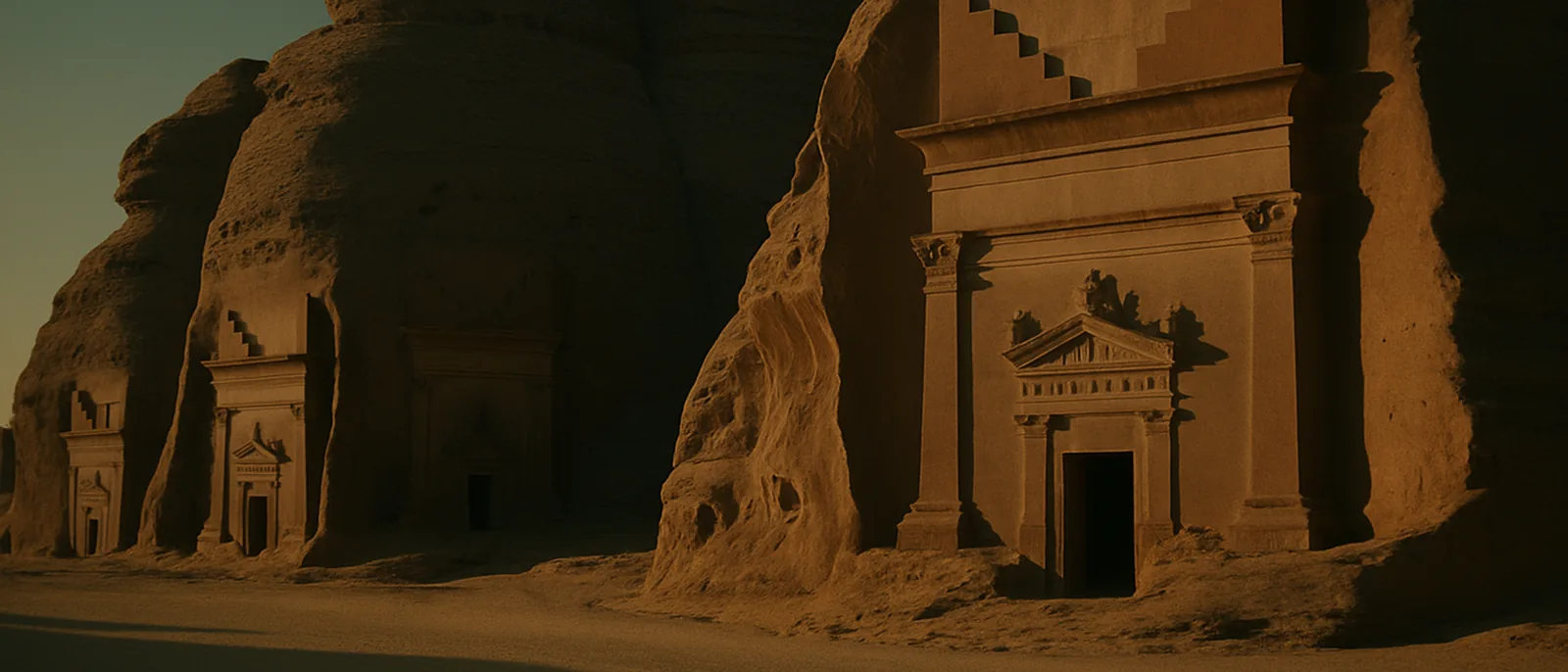
Thamud carving homes into the rock, and the rock-cut cities of al-Hijr
The Qur'an describes the people of Thamud carving elaborate homes into the mountains at al-Hijr — the region that holds Hegra (Mada'in Salih), Saudi…
-

The open challenge to produce a comparable surah (2:23, 17:88)
The doctrine of i'jaz (inimitability) became a formal discipline of classical scholarship (al-Baqillani, al-Jurjani) and remains central to Islamic…
-

The unlettered prophet and the production of the Qur'an (29:48, 7:157)
The historical-literary argument advanced by Muslim scholars, and acknowledged as a serious puzzle by some non-Muslim historians, is that a man with…